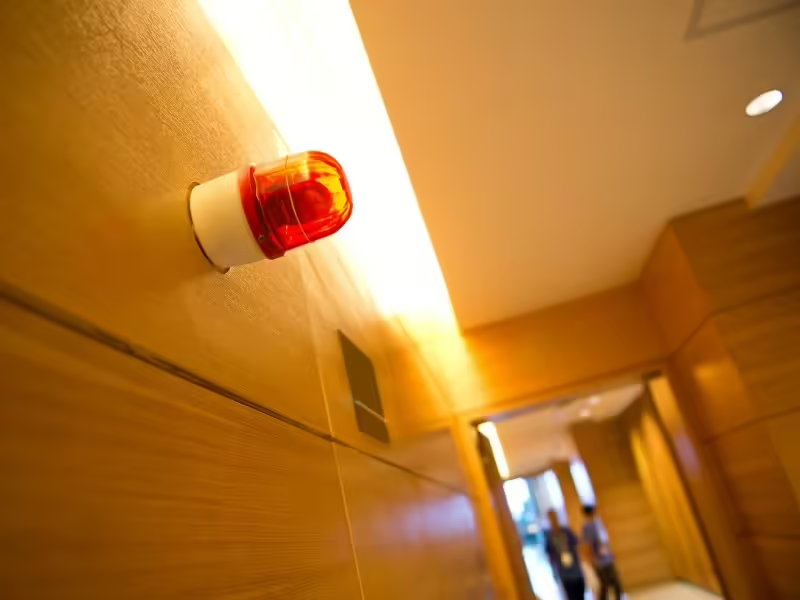
Fire and life safety systems are the equipment in a building that detects a fire, warns the people inside and gets them out, and suppresses or contains the fire until the fire department arrives. In commercial buildings they fall into five groups: fire alarm systems, portable extinguishers, sprinkler systems, passive protection such as fire doors and emergency lighting, and special-hazard suppression systems. Each is inspected and maintained on its own schedule under the NFPA standard that covers it, and a deficiency in any one of them is a life-safety problem.
The contractors who design, install, maintain, and inspect these systems need to know how each one works, how it fails, what the code asks of it, and how the pieces work together when a building has to be emptied in a hurry.
But our industry is constantly evolving. Advancements in technology have created new opportunities and new challenges, from interconnectivity and the Internet of Things (IoT) to better data and improved understanding of system efficacy. Despite this, staying up-to-date with modern fire life safety systems is essential for every fire protection business.
What is Fire Protection?
Fire protection encompasses a range of strategies with many fire and life safety systems playing a critical role. It’s a holistic approach to mitigating fire risk. This includes, but isn’t limited to, preventive measures like fire-resistant construction and proper storage of flammable materials. Fire and life safety systems range from active systems that detect and suppress fires to passive systems that compartmentalize fire and smoke. Fire protection is all about creating environments that prevent ignition in the first place and minimize the impact of any fires that do occur.
Why Fire Protection Systems Matter
Yes, fire safety systems help owners meet building and fire codes–and compliance does matter. But even more importantly, these systems save lives. In a commercial building, for example, a fire can cause serious harm, including injuries or loss of life, property damage, and disrupted operations.
Fire protection systems provide early warnings, giving people time to evacuate safely. They can suppress or contain smoke and fire. And they can help fire departments respond quickly and effectively. Ultimately, they provide peace of mind to your customers, employees, or residents.
5 Key Fire and Life Safety Systems in Commercial Buildings
1. Alarm Systems
Fire alarm systems are essential in fire protection and can include:
- Smoke detectors to sense smoke and trigger alarms
- Carbon monoxide detectors to detect deadly gas
- Mass warning systems to broadcast emergency messages and guide occupants to safety
- Heat detectors to sense temperature increases and signal alarms
- Flame detectors to sense the light a flame gives off
- Manual pull stations to enable manual activation of alarms
- Water flow switches to trigger alarms upon detecting water flow
- Malfunction alarms to monitor fire protection systems and alert on malfunctions
Fire protection encompasses a range of strategies with many fire and life safety systems playing a critical role.
2. Extinguishers
Portable fire extinguishers are essential for tackling early-stage, small fires. Extinguishers include water-based suppression for Class A fires that involve common combustibles like wood and paper; specialized dry chemical or carbon dioxide extinguishers for Class B and C fires that involve flammable liquids or electrical equipment; or higher classes for industrial facilities with hazardous chemicals, batteries, and other high-risk materials. Regular inspections and hydrostatic testing ensure they function as needed.
3. Sprinkler Systems
Sprinkler systems automatically release water when heat from a fire triggers them, reducing fire damage and providing time to evacuate. Regular inspections, with inspection frequencies determined by the type of system and the code set by the AHJ, and maintenance keep these systems operational.
4. Passive Fire Protection Systems
Passive fire protection systems like fire doors and dampers and emergency exits and e-lights are an essential part of effective fire and life safety.
- Fire doors compartmentalize fire and smoke to prevent spread.
- Clearly marked and well-lit exits indicate escape routes.
- Emergency lighting illuminates exit paths during power outages.
5. Suppression Systems
Fire suppression systems are for specific hazards and environments. They target fire protection where traditional methods may not be suitable, for example:
- Clean agent systems use gaseous agents to extinguish fires without leaving residue. These are often used in data centers to protect and maintain valuable equipment while extinguishing the fire.
- Special hazard systems protect against specific risks like flammable liquids or cooking oils.
- Foam systems smother fires and are effective for flammable liquid fires, primarily in industrial settings.
- Water mist systems use atomized water to suppress fires. These systems are typically suitable for sensitive areas like museums or libraries.
- Dry chemical systems disperse dry chemical powder to disrupt fire chemical reactions, and are commonly used for flammable liquids and electrical equipment fires.
- Carbon dioxide systems release gas to suffocate fires. These are often found in areas with sensitive equipment or where water damage is a concern.
Inspect Point & Fire Protection Systems
Keeping all five systems working is the fire protection contractor's job, and the record of every inspection, test, and deficiency is what proves it to the building owner and the AHJ. Inspect Point is inspection software built for fire protection contractors: the inspection, the deficiencies it finds, and the quote to fix them are tracked in one system, so nothing found in the field gets lost on the way to the office.
See Inspect Point run on your own inspections. A 30-minute demo, no commitment.